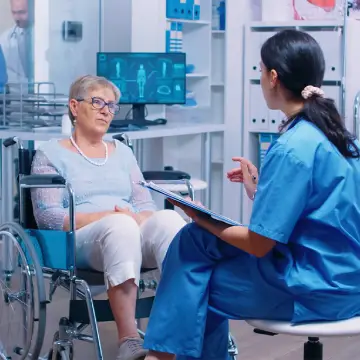
24/7 Emergency Trauma Care in Houston – Immediate Help for Injuries
When a sudden accident occurs, knowing where to access 24/7 trauma & injury care can improve response time and medical outcomes. At West Village ER, Emergency Room Physicians evaluate and treat acute injuries that need prompt medical intervention. Patients often arrive unsure if their condition is serious, especially after falls, sports incidents, or collisions. The environment supports rapid clinical assessment and stabilization while maintaining accuracy, safety, and efficient decision-making for individuals experiencing urgent trauma or a severe injury.
Types Of Injuries Evaluated In ER
Patients seeking a trauma emergency room in Houston often present with fractures, head trauma, sprains, burns, or a laceration or cut that requires prompt evaluation. These conditions may affect adults, children, athletes, or accident victims and can range from moderate to life-threatening severity. Emergency room physicians evaluate how the incident occurred, visible damage, and symptoms to determine the level of care required, especially when there is swelling, bleeding, or functional limitation.
Common injuries treated in the ER include:
- Broken bones or fractures
- Head injuries or concussions
- Sprains and joint injuries
- Burns and skin damage
- Cuts and lacerations

Other trauma-related conditions may include:
- Dislocations or joint instability
- Back or spinal injuries
- Sports-related injuries
- Work-related injuries
- Injuries from motor vehicle accidents
Diagnostic Tools For Injury Assessment Accuracy
Access to lab services and advanced imaging plays an important role in identifying internal damage that may not be immediately visible. Advanced imaging services, including CT scans and X-rays, help detect fractures, internal bleeding, or structural abnormalities. These tools are used during emergency trauma care in Houston, where clinical presentation alone does not fully explain the condition. Early diagnostic accuracy supports timely decisions regarding stabilization, discharge, or further medical direction when needed.
Diagnostic tools used in trauma evaluation include:
- CT scans for internal injuries
- X-rays for fractures and structural damage
- Lab testing for internal complications
- Physical examination for visible trauma
- Vital sign monitoring for stability
Immediate Stabilization And Injury Treatment Steps
Patients arriving at an injury emergency room in Houston receive prompt evaluation followed by treatment based on severity. Care may include wound management, splinting, IV fluids, and monitoring vital signs to support recovery during acute episodes. This process is part of 24-hour trauma care in Houston, where the goal is to stabilize the patient before determining next steps. Emergency room physicians focus on restoring stability and reducing complications while managing urgent trauma in a structured clinical setting.
Emergency treatment steps may include:
- Wound care for cuts and lacerations
- Splinting for fractures or joint injuries
- IV fluids for dehydration or shock
- Pain management during acute injury
- Monitoring vital signs for stability
Recognizing Signs Of Serious Trauma Early
Recognizing signs of serious trauma helps individuals determine when to seek immediate care. Warning signs include loss of consciousness, severe bleeding, difficulty breathing, head injury symptoms, or inability to move affected areas. These indicators may signal the need for emergency trauma care in Houston, particularly when the condition worsens quickly. Situations involving a severe injury should be evaluated without delay, as early intervention can prevent further complications and support better outcomes.
Seek emergency care immediately if you experience:
- Loss of consciousness or confusion
- Severe or uncontrolled bleeding
- Difficulty breathing
- Head injury symptoms such as dizziness
- Inability to move or bear weight
When Emergency Evaluation Becomes Necessary
Knowing when to go to the ER for an injury depends on how the injury occurred and how symptoms progress over time. Emergency rooms function as a trauma center near you in Houston for individuals who need immediate care beyond routine medical settings. Patients arriving at an emergency room for injuries go through triage, where more critical cases are prioritized first. While some injuries can be treated and discharged, others may require further medical direction depending on severity.
Emergency evaluation is necessary when:
- Symptoms worsen after the injury
- Pain becomes severe or persistent
- Swelling or deformity develops
- Movement becomes limited or impossible
- Injury involves high-impact trauma
Local Access And Patient Experience Considerations
Residents in areas such as Jersey Village, Fairbanks / Northwest Crossing, Bear Creek Village 77084, Westway Park Blvd 77041, and Carverdale often rely on local emergency services during urgent situations. Proximity to schools like Cy-Ridge High School and Jersey Village High School makes this location relevant for families managing sports-related injuries. As a walk-in trauma care facility in Houston that is open now and available 24/7, West Village ER provides prompt evaluation supported by structured triage, with wait times varying based on patient volume and urgency.
Frequently Asked Questions
Emergency rooms evaluate injuries such as fractures, deep cuts, head trauma, burns, and severe sprains. These conditions often need immediate medical attention to prevent complications.
Signs such as severe pain, swelling, bleeding, loss of movement, or head injury symptoms indicate that emergency evaluation is necessary.
Yes, emergency rooms operate on a walk-in basis and are open 24/7 for immediate care of urgent trauma and injuries.
Treatment may include imaging, wound care, splinting, IV fluids, and monitoring vital signs in order to stabilize the patient.
Not always. Some patients are treated and discharged, while others may require further medical direction based on the severity of the injury.
Coverage depends mainly on your insurance provider and plan. Emergency services are billed based on the treatment provided.
Wait times depend on triage, where patients with more severe conditions are treated first, so timing may vary.